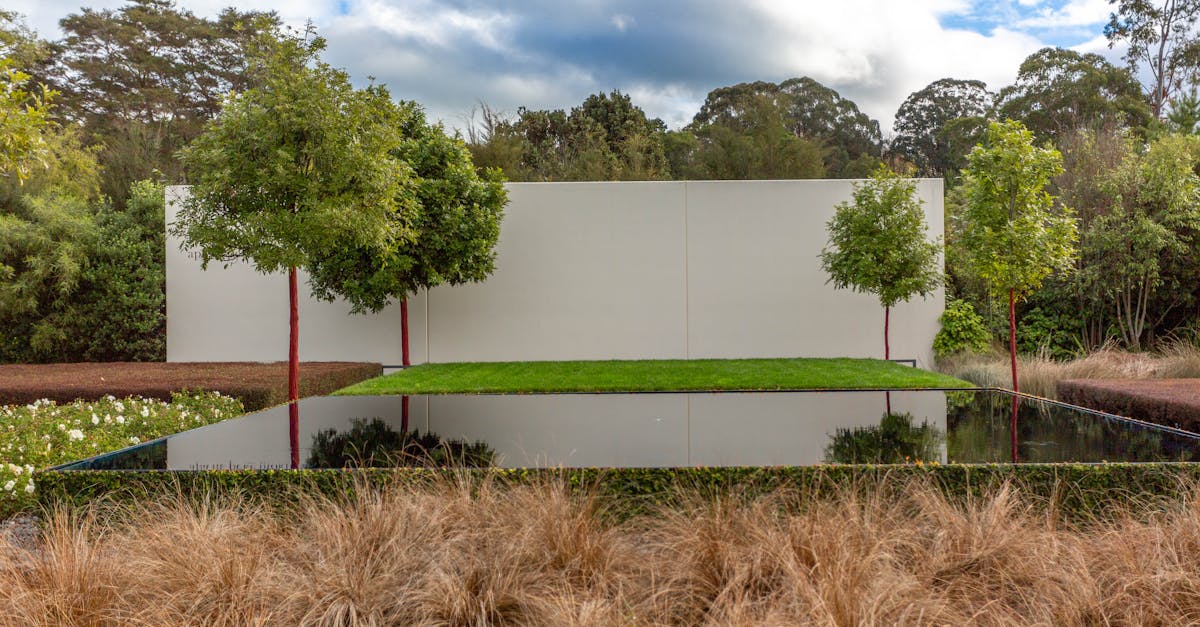
Designing Tranquility: Water Feature Ideas for Victorian Gardens
Table Of Contents
Maintenance of Water Features
Ensuring water features remain in pristine condition requires regular attention and care. Scheduled cleanings can help prevent the buildup of debris, algae, and unwanted algae blooms. Remove fallen leaves and other organic matter before they decay and affect water quality. Inspecting the pump and filtration system frequently is crucial to maintain proper functionality, as quiet but effective operation is essential for a healthy aquatic environment.
Seasonal maintenance also plays a vital role in the longevity of your water feature. During winter months, it may be necessary to take precautions to safeguard the system against freezing temperatures. Depending on the design, this could involve draining the feature or adding insulating materials. Additionally, consider the flora and fauna surrounding the water feature, ensuring that plants are trimmed back and fish are fed adequately to promote a balanced ecosystem.
Keeping Your Feature Pristine
Regular maintenance is essential to preserve the beauty of water features. Remove debris such as fallen leaves and algae clusters frequently, as these can accumulate and detract from the visual appeal. Using a fine net can help in skimming the surface, while a soft brush can assist in cleaning any slimy residues from rocks or fountains. It's also advisable to check the water level periodically to ensure it remains consistent, especially during hot weather, as evaporation can cause significant drops.
Maintaining the water's clarity is crucial for aesthetic and health reasons. Consider using natural filtration systems that support the ecosystem within the water feature. Beneficial bacteria can help break down organic matter, while aquatic plants can assist in nutrient absorption, keeping the water fresh. Regular testing of water quality, watching for changes in pH levels and cleanliness, allows for timely intervention when problems arise. Implementing these practices ensures that your water feature remains an elegant focal point in your Victorian garden.
Lighting Techniques for Drama
Illuminating water features can dramatically enhance the mood of a Victorian garden. Subtle or dramatic lighting can create a captivating environment, transforming evening spaces into serene retreats. Consider using LED lights submerged in features like ponds or streams, casting gentle glows that highlight the rippling water. Spotlights can be strategically placed to illuminate surrounding plants, adding depth and creating shadow play that evokes a sense of wonder.
Incorporating coloured lighting can also bring a contemporary twist to classical designs. Soft blues or greens mimic natural light reflections, while warmer tones can evoke a more romantic feel. Floating lanterns or lighted solar spheres can offer a whimsical touch, floating delicately atop the water's surface. By utilising various light sources, different textures and elements of the water can be highlighted, showcasing the beauty of the garden even after sundown.
Illuminating Water for Nighttime Beauty
Subtle lighting can transform a Victorian garden's water feature into a captivating display at night. Positioning strategically placed LED lights underwater or around the feature enhances the reflections and adds an enchanting glow. Floating lights in ponds or lanterns on nearby walkways create an inviting atmosphere. Shadows dance on the water's surface, adding depth and intrigue, making the space feel both intimate and expansive.
Utilising solar-powered lights is an eco-friendly option that aligns well with sustainable gardening practices. These lights harness the sun's energy during the day, illuminating the garden once the sun sets without adding to electricity costs. Concentrating light on specific elements, such as fountains or the rim of a pond, can draw attention to the water feature while maintaining an overall serene ambiance. The result is a harmonious blend of nature and design, enhancing the tranquil setting of a Victorian garden.
Sustainable Practices in Water Design
Incorporating sustainability into water feature design begins with selecting materials that are both durable and environmentally friendly. Natural stone, reclaimed timber, and recycled metals can harmonise beautifully within a Victorian garden while minimising the ecological footprint. Additionally, utilising native plants around the water feature creates a natural filtration system, promoting biodiversity and reducing the need for chemical treatments to maintain water quality.
Harvesting rainwater is another effective practice to consider. By installing rainwater tanks, you can collect and reuse this valuable resource to sustain your water features throughout the year. This initiative not only conserves drinking water but also promotes self-sufficiency within the garden. Adequate design consideration ensures that these elements marry aesthetics with function, resulting in a garden that thrives while honouring its natural surroundings.
Eco-Friendly Solutions for Your Garden
Incorporating native plants around water features can enhance biodiversity while reducing the need for excessive watering. These plants are well-adapted to local conditions, ensuring they thrive with minimal maintenance. Their deep roots can also help stabilise soil, preventing erosion around your garden pond or fountain.
Utilising rainwater harvesting systems is another way to promote sustainability in your garden design. Collecting rainwater for use in maintaining your water feature not only conserves resources but also reduces reliance on municipal water supply. Rain barrels can be discreetly integrated into the landscape, providing a practical solution while ensuring your water feature remains eco-friendly.
FAQS
What are some popular types of water features for Victorian gardens?
Popular water features for Victorian gardens include ornamental ponds, fountains, cascading waterfalls, and reflecting pools. Each adds a unique charm and tranquillity to the garden.
How do I maintain my water feature to keep it looking pristine?
Regular maintenance involves cleaning the water feature to remove debris, checking and maintaining the pump, and ensuring the water is topped up to the correct level. Additionally, consider using water treatments to prevent algae growth.
What lighting techniques can enhance my water feature at night?
Consider using underwater LED lights to illuminate the water, as well as spotlights to highlight nearby plants or the water feature itself. This creates a dramatic effect and adds beauty to your garden during evening hours.
Are there sustainable practices I can implement in my water design?
Yes, sustainable practices include using rainwater harvesting systems, installing solar-powered pumps and lights, and selecting native aquatic plants that require less maintenance and are better suited for the local ecosystem.
What eco-friendly solutions can I incorporate into my garden's water feature?
Eco-friendly solutions include using natural filtration systems such as biofilters, creating a wildlife-friendly habitat with native plants, and ensuring that all materials used are sustainable and non-toxic to the environment.
Related Links
Incorporating Natural Streams into Residential LandscapesIntegrating Water Features into Small Urban Gardens
Seasonal Considerations for Maintaining Water Gardens in Victoria
Wildlife-Friendly Water Features for Eco-Conscious Homeowners
Poolside Paradise: Integrating Water Elements in Swimming Areas
Enhancing Curb Appeal with Decorative Fountain Installations
Sustainable Practices in Residential Water Feature Design
Soothing Sounds: Waterfall Designs for Private Outdoor Spaces
The Art of Creating Reflective Ponds in Your Backyard