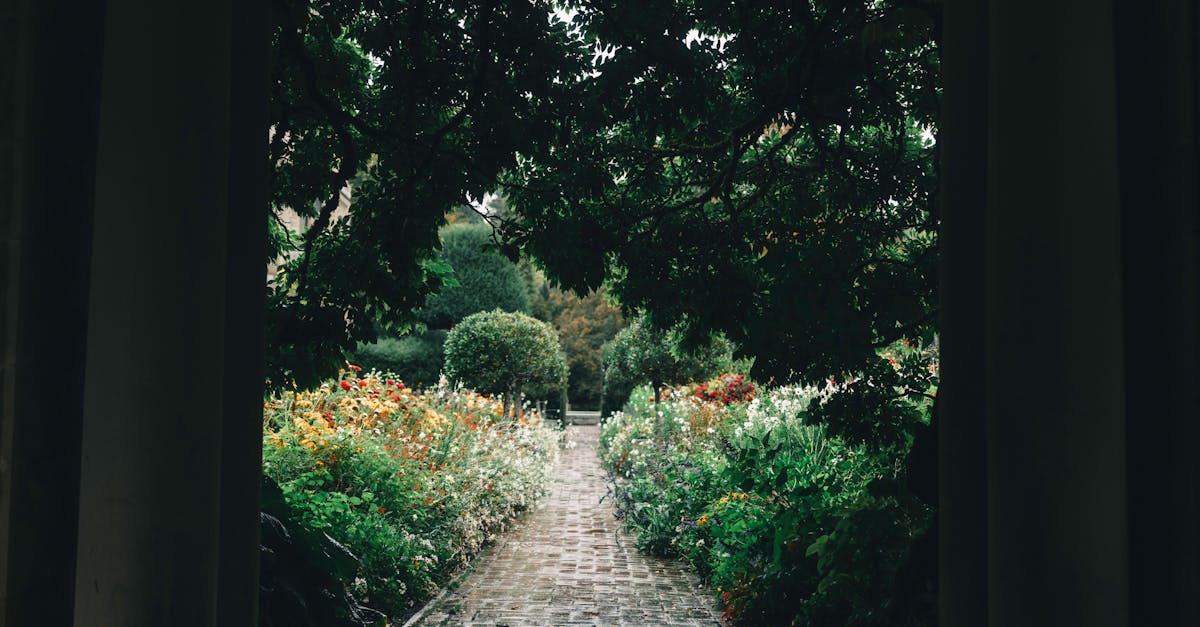
Enhancing Employee Wellbeing with Vertical Greenery
Table Of Contents
Case Studies of Successful Vertical Greenery Initiatives
Some of the most notable examples of vertical greenery can be found in urban settings where office spaces have embraced green walls. In Melbourne, a tech company transformed its office interior by installing a vertical garden that not only improved air quality but also became a source of inspiration for creative thinking. Employees reported a noticeable boost in mood and productivity, showcasing how integrating nature within the workplace can lead to tangible benefits.
In Sydney, a renowned architecture firm incorporated vertical greenery into their new headquarters, focusing on sustainability and employee wellbeing. The design included lush plant installations throughout the building, providing natural insulation and reducing energy costs. Staff members enjoyed the calming effect of the greenery, which created a serene working environment amidst the fast-paced city life. This initiative reflects a growing trend among organisations to prioritise both aesthetics and health through innovative landscaping solutions.
Learning from Organisations that Have Adopted Green Walls
Organisations that have implemented green walls report significant improvements in employee morale and productivity. For example, a tech company in Sydney transformed a dull office space into a vibrant environment through the installation of vertical gardens. Employees indicated that the presence of greenery reduced stress levels, enhanced creativity, and fostered a sense of community within the workplace. Similar initiatives in sectors ranging from education to healthcare demonstrate the widespread benefits of integrating nature into indoor spaces.
Portfolio case studies reveal that successful green wall projects involve careful planning and collaboration among various stakeholders. Many organisations emphasise the importance of selecting appropriate plant species that thrive in indoor conditions while requiring minimal maintenance. Additionally, engaging employees in the decision-making process creates a sense of ownership and pride, further amplifying the positive impacts of vertical greenery. The lessons learned from these implementations can serve as valuable insights for others considering similar initiatives.
Maintenance of Vertical Greenery
Proper care of vertical greenery is essential for ensuring its longevity and health. Routine assessments of the plants can identify any signs of disease or distress. Regular watering schedules must be adhered to, with some systems requiring additional irrigation during drier months. Fertilisation is also crucial, as it provides the necessary nutrients for growth. Additionally, preventive measures against pests should be taken seriously to avoid infestations.
The design of vertical gardens can significantly influence maintenance requirements. Choosing native or drought-resistant plants can reduce water needs and overall upkeep. It is beneficial to consider the installation of an automated irrigation system for consistent watering. Moreover, establishing a clear maintenance plan helps staff understand their responsibilities, ensuring that everyone is equipped to contribute to the garden's well-being. Regular communication with landscape professionals can also offer valuable insights and guidance.
Best Practices for Care and Upkeep
Ensuring that vertical greenery thrives requires a strategic approach to maintenance. Regular inspections help identify any issues early, promoting the health of the plants. Establishing a consistent watering schedule tailored to the plant species and environmental conditions is essential. Proper drainage must be maintained to prevent waterlogging, which can lead to root rot. Nutrient application through fertilisation enhances growth and vibrancy, making it crucial to follow the recommended guidelines for the specific plants used.
Moreover, pest management plays a vital role in preserving the integrity of vertical gardens. Adopting an integrated pest management approach can minimise the use of chemicals while effectively managing infestations. Pruning and trimming should be conducted periodically to encourage healthy growth and prevent overcrowding. Using appropriate tools and following safe practices during maintenance not only protects the plants but also ensures the safety of those responsible for their care. Regular training or workshops for maintenance staff can enhance their skills and knowledge in vertical garden upkeep, leading to better overall results.
Cost Considerations for Vertical Greenery
Investing in vertical greenery requires a careful analysis of both installation and ongoing maintenance costs. Initial expenses can vary widely based on the scale and complexity of the project, with factors like plant selection, lighting systems, and structural modifications influencing the final budget. Engaging professionals, from landscape architects to installation teams, can add to the overall financial commitment but often yields better outcomes in terms of design and plant longevity. Businesses should also evaluate the potential return on investment, considering increased employee productivity, enhanced aesthetics, and potential energy savings resulting from improved insulation.
Ongoing maintenance is another critical aspect that organisations must factor into their financial planning. Regular upkeep involves watering, fertilising, and replacing plants as necessary, which can lead to additional costs over time. Establishing a maintenance schedule and possibly hiring a dedicated team can help mitigate issues associated with neglect. It is essential to weigh these recurring expenses against the mental and physical benefits that vertical greenery brings to employees, fostering a healthier work environment that can, in the long run, justify the initial investment.
Budgeting for Installation and Maintenance
When considering the financial implications of incorporating vertical greenery, it’s essential to account for both initial installation costs and ongoing maintenance expenses. Installation may involve factors like the complexity of the design, plant selection, structural modifications, and irrigation systems. Hiring experienced professionals can significantly influence the overall budget. Regions with higher labour costs may see more substantial price increases, so it's crucial to obtain multiple quotes to ensure a competitive rate.
Ongoing maintenance is another critical component of the overall budget. Regular upkeep involves watering, pruning, fertilising, and pest management to ensure the plants thrive. Depending on the size and type of greenery, maintenance costs can vary significantly. Some organisations choose to outsource this task to specialist services, while others may employ in-house personnel trained in plant care. Evaluating these options and considering long-term costs can help organisations effectively integrate vertical greenery into their overall financial planning.
FAQS
What are the benefits of vertical greenery for employee wellbeing?
Vertical greenery can improve air quality, reduce stress levels, and enhance overall aesthetic appeal in the workplace, which can lead to increased employee satisfaction and productivity.
How do I maintain a vertical garden in the office?
Regular maintenance involves watering, pruning, and checking for pests. It's important to select suitable plants that thrive indoors and to establish a care schedule to ensure the greenery remains healthy.
What types of plants are best suited for vertical greenery in an office environment?
Low-light plants such as ferns, peace lilies, and pothos are often preferred for indoor vertical gardens as they require less sunlight and are easier to maintain while still offering air purification benefits.
How much does it typically cost to install vertical greenery in a workplace?
The cost of installing vertical greenery can vary widely based on factors such as the size of the installation, type of plants used, and whether a professional service is hired. Budgeting for both initial installation and ongoing maintenance is essential.
Can vertical greenery be installed in any type of office space?
Yes, vertical greenery can be adapted to various office types, including small spaces and open-plan layouts. However, it's crucial to assess factors such as available light, humidity, and structural support before installation.
Related Links
Sustainable Materials for Constructing Green RoofsMaximising Space: Green Roof Solutions for Urban Offices
Approaches to Water Management in Vertical Gardens
Case Studies of Successful Green Roofs in Victoria
Aesthetic and Functional Aspects of Vertical Garden Design
Designing Vertical Gardens to Combat Urban Heat
Integrating Biodiversity into Commercial Green Roofs
The Benefits of Vertical Gardens for Commercial Spaces
Innovations in Green Roof Design for Melbourne Businesses