Incorporating Native Flora in Urban Landscape Design
Table Of Contents
Challenges in Implementing Native Plant Landscapes
Designing urban landscapes that incorporate native flora presents a unique set of challenges. One primary issue is the deep-seated preference for exotic plants among both developers and residents. This preference often stems from misconceptions about the aesthetic value of native species. Many believe that native plants lack the vibrancy and variety found in imported varieties. Additionally, there may be resistance from local authorities who are accustomed to traditional landscaping practices and may view native plants as unkempt or less appealing.
Another significant obstacle is the perception of maintenance requirements associated with native plant landscapes. While native species are often more resilient and better adapted to local conditions, misinformation can lead to concerns about their upkeep. Some urban planners may fear that the transition to a native landscape will require extensive changes in management or resources. This fear can hinder the adoption of native flora, despite evidence showing that these plants can thrive with minimal intervention once established.
Overcoming Misconceptions and Resistance
Many misconceptions surround the use of native plants in urban landscapes. Some people tend to believe that native species are less attractive or that they require more maintenance than ornamental varieties. In reality, native plants can offer a vibrant palette of colours and textures, often thriving with minimal care once established. Their adaptability to local conditions reduces ongoing maintenance, including irrigation and fertilisation, which can save both time and resources for municipalities and homeowners alike.
Resistance to adopting native flora can also stem from a lack of awareness or understanding of their benefits. Education plays a crucial role in changing perceptions. Workshops, community events, and information campaigns can clarify how native plants contribute to biodiversity and ecological health. Engaging local communities in nature-based projects encourages participation and builds appreciation for the unique beauty and functionality of native species within urban contexts.
Successful Case Studies
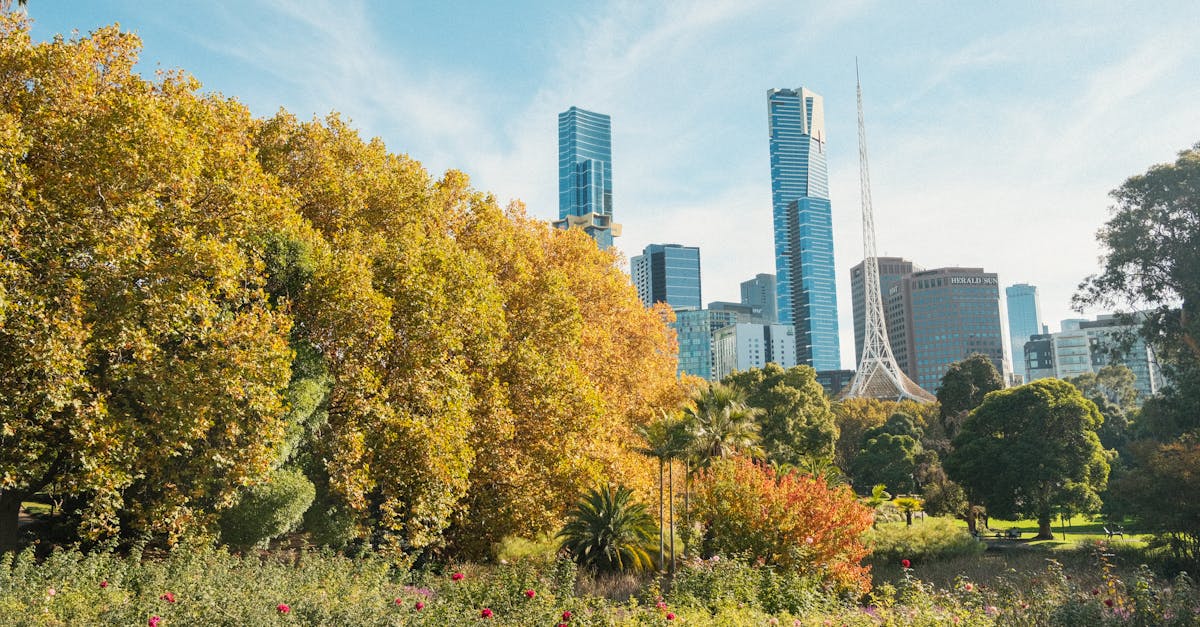
Cities around the world have begun to embrace native flora in their landscape designs, showcasing the ecological and aesthetic benefits of this approach. In Melbourne, the Royal Botanic Gardens have implemented a native plant initiative that highlights local biodiversity while providing residents with an engaging space for recreation and education. By integrating indigenous species into public parks and community gardens, the initiative not only enhances local beauty but also serves as a living classroom for sustainable practices.
Sydney's urban landscapes present a successful example of utilising native plants to combat environmental challenges. The Green Square development prioritises biodiversity through the use of local flora, creating habitats that support various species. This innovative approach demonstrates how urban environments can harmonise with nature, providing both ecological benefits and enriching the quality of life for residents. Each project emphasises the unique character of Australian ecosystems while fostering a sense of community connection to the land.
Urban Areas That Embrace Native Flora
Many Australian cities are increasingly recognising the benefits of integrating native flora into their urban landscapes. Melbourne has been particularly proactive, incorporating native gardens in public spaces and parks, enhancing aesthetic appeal while improving biodiversity. These native gardens often feature species like the Kangaroo Paw and Waratah, which not only thrive in local conditions but also provide essential habitats for local wildlife. Such initiatives contribute significantly to urban ecology, making Melbourne a notable example of effective native plant incorporation.
Brisbane has also embraced native flora with various projects that promote environmental sustainability. The city has initiated native plant corridors and green roofs, which serve to combat urban heat and improve air quality. These efforts highlight the importance of utilising plants that are adapted to the local environment, thereby reducing water usage and maintenance. Through city councils' active engagement with local communities, Brisbane is paving the way for a greener urban future, showcasing how native landscapes can enhance city living.
Native Plants and Urban Wildlife
The integration of native plants into urban landscapes significantly enhances the local ecosystem, providing essential habitats for various wildlife species. Birds, bees, and other pollinators thrive in environments rich in native flora, as these plants offer the food sources and shelter they need to flourish. By choosing native vegetation, cities can create green spaces that serve as critical corridors for wildlife, enabling movement and interaction between species that might otherwise be isolated.
In addition to attracting wildlife, native plants contribute to the ecological balance in urban settings. They play a vital role in pollination, which supports not only local fauna but also improves the overall health of the urban environment. Establishing these natural connections fosters biodiversity, ensuring that cities are not just concrete jungles but vibrant ecosystems that support life in its many forms.
Providing Habitat and Food Sources
Native plants play a vital role in creating habitats that support various urban wildlife. Species that are native to specific regions often possess unique characteristics that cater to the needs of local fauna. For instance, flowering plants provide essential nectar and pollen for bees, butterflies, and other pollinators. These plants also serve as host species for caterpillars and other insects, which, in turn, support birds and other wildlife, ultimately fostering a more diverse ecosystem within urban settings.
By incorporating native flora into urban landscapes, cities can establish food sources for wildlife while promoting ecological stability. This approach not only benefits the local flora and fauna but also enhances the aesthetic appeal of urban environments. Creating green corridors and community gardens rich in native species will encourage the movement of species across urban landscapes. These areas can significantly contribute to the overall health of local ecosystems while providing opportunities for residents to engage with nature.
FAQS
What are the benefits of using native flora in urban landscape design?
Native flora supports local biodiversity, reduces maintenance needs, conserves water, and enhances the aesthetic appeal of urban spaces. They are better adapted to local soils and climate conditions, making them more resilient and sustainable.
How can I overcome misconceptions about native plants?
Education is key. Hosting workshops, providing informational materials, and showcasing successful examples can help address misconceptions. Engaging with the community through demonstrations and hands-on experiences can also change perceptions positively.
Are there any successful examples of urban areas incorporating native plants?
Yes, cities like Perth and Brisbane have implemented native plant landscapes in public parks and streetscapes. These initiatives have not only beautified the urban environment but also enhanced local wildlife habitats.
How do native plants contribute to urban wildlife?
Native plants provide essential food sources and habitats for local wildlife, including birds, insects, and small mammals. This creates a more balanced ecosystem within urban environments and encourages biodiversity.
What challenges might I face when implementing native plant landscapes in my garden?
Challenges can include resistance to change, a lack of knowledge about suitable native species, maintenance concerns, and misconceptions about aesthetics. However, these can often be overcome with education and community support.
Related Links
Seasonal Planting Strategies for Native Species in VictoriaThe Role of Indigenous Plants in Victoria's Ecosystems
Designing with Native Plants: A Step by Step Guide
The Impact of Native Plants on Local Wildlife
How to Choose the Right Native Plants for Your Landscape
Native Plants for Low-Maintenance Landscaping in Victoria
Creating a Biodiverse Habitat with Native Plant Selection
Top Native Plants for Sustainable Gardens in Victoria
The Benefits of Using Native Plants in Victoria's Landscape Design