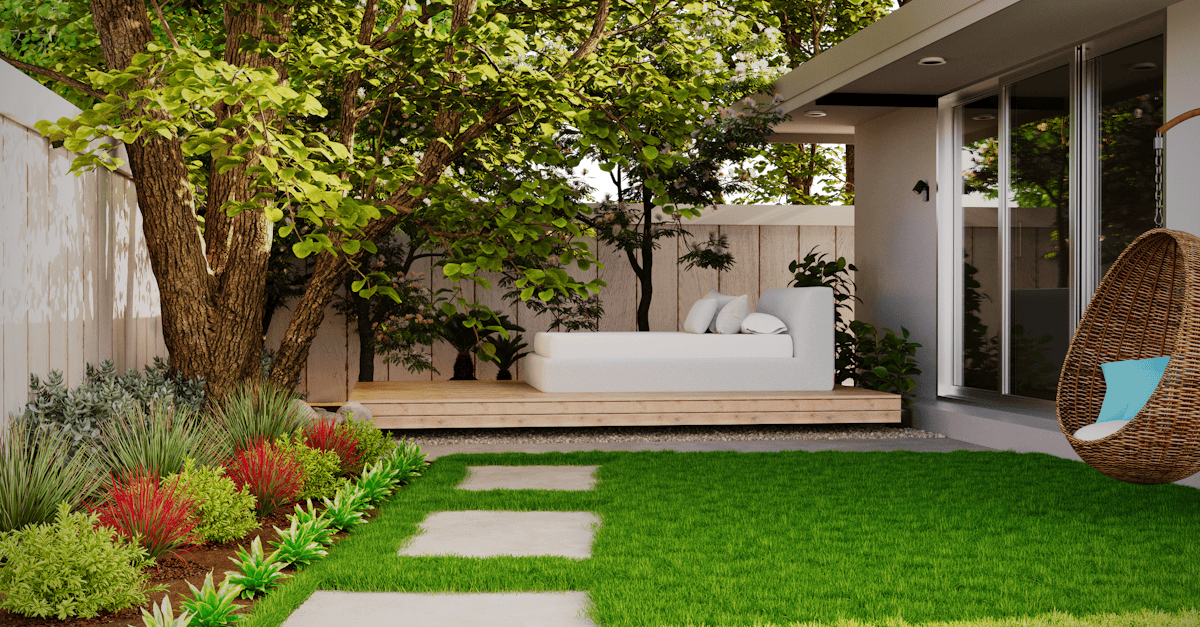
Creating Biodiverse Habitats through Innovative Hardscaping
Table Of Contents
Utilizing Vertical Space for Biodiversity
Vertical gardening presents an innovative way to utilise frequently overlooked spaces in urban environments. By integrating vertical structures, such as trellises, wall planters, and living walls, gardeners can create thriving ecosystems that promote biodiversity. These systems allow plants to grow upwards, maximising limited ground space while supplying essential habitat for various species. Climbing plants can provide shelter and food for insects, birds, and other wildlife, fostering a richer biological community.
Incorporating vertical elements into landscapes not only enhances visual appeal but also plays a vital role in air quality improvement. These green installations can help filter pollutants and reduce the urban heat island effect, contributing to a healthier environment for both people and wildlife. By selecting native species, gardeners can create habitats that are naturally adapted to the local climate, ensuring that the plants thrive while supporting the regional ecosystem. The potential for vertical space to support diverse flora and fauna makes it an essential consideration in sustainable landscape design.
Creating Green Walls and Rooftop Gardens
In urban environments, utilising vertical space maximises limited areas while enhancing biodiversity. Green walls serve as living structures, covered in a variety of plants that not only beautify but also improve air quality. These installations can host numerous plant species, allowing for a range of ecological interactions. The vertical orientation also enables gardens to thrive in areas where traditional planting may be impractical due to space constraints.
Rooftop gardens provide a unique opportunity for biodiversity in city landscapes. They act as sanctuaries for pollinators, offering essential habitats for bees, butterflies, and other wildlife. Beyond supporting ecosystems, these gardens contribute to urban cooling, stormwater management, and noise reduction. Planting native species on rooftops further strengthens local fauna while enhancing the resilience of urban landscapes.
Wildlife-Friendly Features in Hardscaped Areas
Incorporating wildlife-friendly features into hardscaped environments can transform urban spaces into thriving ecosystems. Elements such as permeable paving allow rainwater to filter through, fostering better drainage and reducing runoff. These surfaces can support various native plants that attract pollinators. Additionally, using reclaimed materials for paths or walls not only reduces waste but also provides excellent habitats for insects and other small creatures.
Creating habitats for birds and small mammals can further enhance these spaces. Installing birdhouses or roosting boxes encourages nesting in residential areas. Water features like small ponds or bird baths can offer essential hydration sources. These additions can create inviting environments for local wildlife, fostering biodiversity and helping to maintain ecological balance in urban landscapes.
Incorporating Nesting Sites and Water Sources
Including nesting sites within hardscaped areas encourages a variety of bird and insect species to thrive. Features such as birdhouses, bug hotels, and bee hotels can be easily integrated into garden designs. These structures provide essential shelter and breeding spaces for different fauna, promoting biodiversity in an urban environment. The strategic placement of these features can enhance visibility for wildlife while ensuring they blend aesthetically with the surrounding hardscape elements.
Water sources also play a crucial role in attracting wildlife. Installing small ponds, bird baths, or water features provides essential hydration, especially in urban settings. These water sources serve not only as a drinking point but also as a breeding ground for amphibians and insects. The presence of clean, accessible water encourages a diverse range of species to visit and inhabit the area, further enriching the local ecosystem.
The Benefits of Native Plant Integration
Integrating native plants into hardscaped environments provides a multitude of advantages for local ecosystems. These plants are adapted to the regional climate and soil conditions, which often results in lower water requirements and reduced maintenance needs compared to non-native species. By selecting flora that naturally thrives in the area, creators can establish a more resilient landscape that supports local wildlife, including pollinators such as bees and butterflies. This not only enhances biodiversity but also fosters a sense of connection to the local environment.
Utilising native plants in hardscaping projects contributes to ecological balance by preserving the existing flora and fauna. These plants often provide habitats and food sources for various species, helping to maintain population levels of those native to the region. Additionally, their deep-root systems can improve soil health and reduce erosion. This approach not only beautifies outdoor spaces but also promotes environmental stewardship, encouraging communities to appreciate and protect their local ecosystems.
Enhancing Local Ecosystems Through Hardscaping
Innovative hardscaping techniques offer a unique opportunity to boost local ecosystems while simultaneously providing functional outdoor spaces. By carefully selecting materials and designs, landscapes can incorporate features that support various species, contributing to a harmonious balance between built environments and nature. For example, permeable paving allows rainwater to infiltrate into the ground rather than causing runoff, encouraging healthy groundwater recharge and supporting local flora and fauna.
Incorporating elements such as soil beds, rockeries, and terraced areas can further enhance biodiversity. These structures create microhabitats that attract beneficial insects and small wildlife, enriching the ecological network. Native plants can thrive in these settings, fostering a sense of place while also providing essential resources for local fauna. By integrating thoughtful hardscaping concepts, individuals and communities can play a pivotal role in revitalising and preserving the environmental quality of their surroundings.
FAQS
What is hardscaping and how does it contribute to biodiversity?
Hardscaping refers to the non-plant elements of landscape design, such as paving, walls, and structures. When designed innovatively, hardscaping can create habitats that support biodiversity by incorporating features like green walls, rooftop gardens, and wildlife-friendly elements.
How can vertical spaces be utilised to enhance biodiversity?
Vertical spaces can be transformed into habitats by creating green walls and rooftop gardens that provide shelter and food sources for various species. These installations use vertical surfaces to grow plants, thus maximising limited space while improving urban biodiversity.
What are some wildlife-friendly features that can be integrated into hardscaped areas?
Wildlife-friendly features include nesting sites for birds and insects, water sources like small ponds or bird baths, and the use of permeable materials to promote drainage. These elements create inviting spaces for wildlife in urban and suburban environments.
Why is it important to integrate native plants into hardscaping?
Integrating native plants promotes local ecosystems by providing food and habitat for native wildlife. They are well-adapted to the local climate and soil, requiring less maintenance and water compared to non-native species, thus supporting sustainability.
What are the overall benefits of creating biodiverse habitats through hardscaping?
The creation of biodiverse habitats through hardscaping helps improve local ecosystems, enhances aesthetic appeal, supports wildlife, and contributes to better air and water quality. It also fosters a sense of community and connection to nature among residents.
Related Links
Sustainable Fencing Solutions for Urban LandscapesDesigning Pathways with Sustainable Stone Alternatives
Enhancing Soil Health through Sustainable Hardscape Choices
Low Maintenance Hardscaping Options for Eco-Friendly Gardens
Integrating Natural Elements into Hardscaping for Better Aesthetics