Low Maintenance Hardscaping Options for Eco-Friendly Gardens
Table Of Contents
Retaining Walls for Erosion Control
Erosion poses a significant challenge in garden design, especially in sloped areas where soil stability is compromised. Retaining walls can be an effective solution, providing structural support while enhancing the landscape's aesthetic appeal. These walls serve not only to hold back soil but also to create terraced levels suitable for planting. When designed correctly, they can blend seamlessly with the surrounding environment and contribute to an eco-friendly garden.
Choosing the right materials for these walls is crucial in promoting sustainability. Natural stone and recycled materials are excellent options, offering durability without compromising the ecological balance. Some designs incorporate vegetation, allowing plants to grow over and around the structures, which can further mitigate erosion. This integration not only enhances the visual interest but also promotes biodiversity within the garden space, making the hardscaping elements work in harmony with nature.
Materials That Support Sustainability
Sustainable hardscaping relies heavily on the choice of materials that minimise environmental impact while maintaining functionality. Reclaimed wood, for example, offers a rustic aesthetic with minimal ecological footprint. Its use not only recycles materials but also eliminates the need for logging new trees. Similarly, permeable pavers allow water to drain through surfaces, reducing runoff and helping to recharge groundwater. These innovative options align with eco-friendly practices while creating visually appealing garden spaces.
Incorporating recycled materials into hardscaping brings both charm and sustainability. Using crushed concrete or recycled bricks can create visually stunning pathways or patios without the need for new resources. Additionally, natural stone provides durability while being aesthetically pleasing. By selecting materials that are locally sourced, gardeners can further reduce transportation emissions and support local suppliers. Emphasising these options turns hardscaping into an opportunity for environmental stewardship.
Integrating Water Features
Incorporating water features into a garden can enhance its visual appeal while providing habitat for local wildlife. Options such as ponds, streams, and fountains offer not only aesthetic benefits, but also the soothing sounds of flowing water that contribute to a tranquil atmosphere. The use of properly sized and strategically placed features can help with microclimates, ensuring that plants nearby receive needed moisture and protection from harsh conditions.
Choosing water features that prioritise sustainability is essential for an eco-friendly garden. Installing a rainwater collection system for feeding ponds or using recirculating pumps in fountains can minimise water waste. Selecting native aquatic plants can further enhance these features, providing eco-friendly filtration while supporting local biodiversity. This approach helps create a balanced ecosystem that thrives on minimal maintenance, aligning with sustainable gardening practices.
Eco-Conscious Pond and Fountain Designs
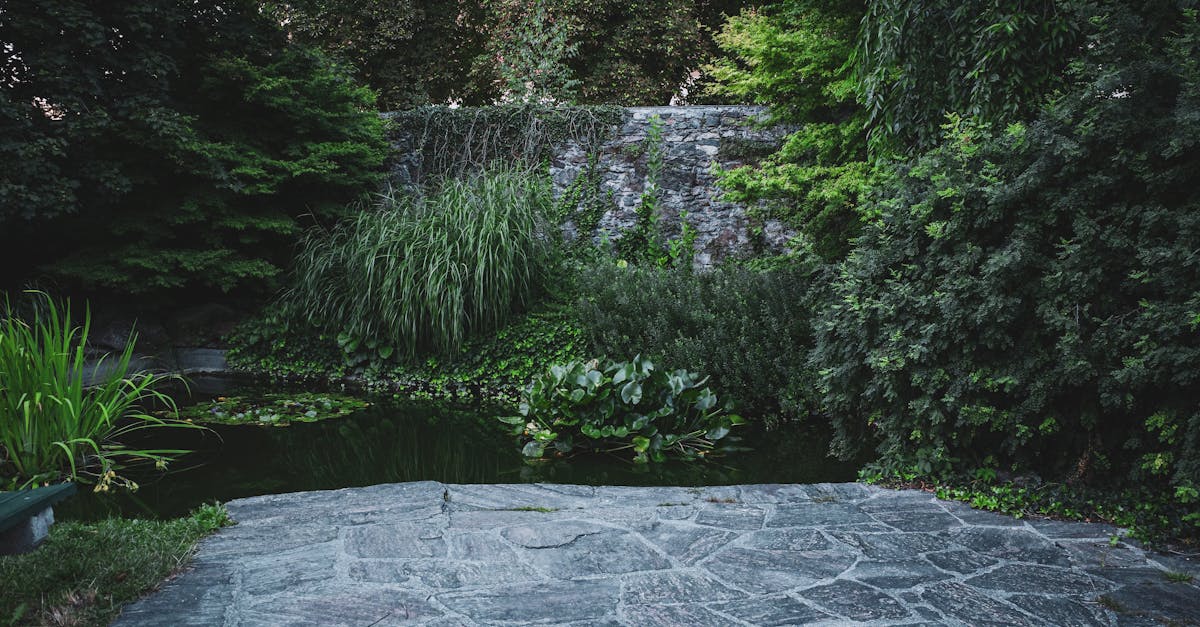
Ponds and fountains can significantly enhance the aesthetic appeal of an eco-friendly garden while providing vital habitats for local wildlife. When designing these features, it's essential to consider their environmental impact. Using natural materials like stone and pebble creates a seamless blend with the surrounding landscape. Opting for a renewable energy source, such as solar-powered pumps, ensures that water circulation remains sustainable and lowers the garden's overall energy consumption.
Incorporating native aquatic plants into pond designs can further promote biodiversity. These plants not only require less maintenance but also provide essential shelter for local fauna. Fountains can be designed with recirculating water systems that minimise waste, ensuring that every drop is used efficiently. By emphasising harmony with nature, these designs contribute to an eco-conscious landscape that benefits both the garden ecosystem and its occupants.
Native Plant Borders
Incorporating native plants into garden borders provides an excellent way to enhance biodiversity while reducing maintenance efforts. Native flora is well adapted to local soil conditions, moisture levels, and climate, making them resilient and low-maintenance options. This adaptability often translates into less need for irrigation, fertilisation, and pest control, which is beneficial in conserving resources and promoting an eco-friendly environment.
Hardscaping elements can complement these native plant borders effectively, creating harmonious transitions between built and natural landscapes. Using materials such as recycled stone or locally sourced timber can further enhance the ecological impact. Pathways created with permeable pavers not only support drainage but also encourage the establishment of beneficial plants, thus fostering a biodiversity-rich environment while providing functional spaces within the garden.
Hardscaping with Indigenous Flora in Mind
Incorporating hardscaping elements that complement indigenous flora creates a harmonious landscape. Using local stones and natural materials helps create a seamless transition between constructed features and the surrounding ecosystem. Materials like sandstone, bluestone and recycled bricks not only blend in aesthetically but also provide durability. Designing spacious pathways and patios with these materials allows for a balanced integration of hardscape and plant life.
Opting for native plants in conjunction with hardscaping enhances biodiversity. Local species are adapted to the climate, requiring minimal water and maintenance. Incorporating rock gardens or dry creek beds can provide habitat for various wildlife while showcasing beautiful native flora. This approach fosters a sustainable environment, encouraging the growth of local ecosystems while providing an attractive outdoor space.
FAQS
What are low maintenance hardscaping options for eco-friendly gardens?
Low maintenance hardscaping options include materials and designs that require minimal upkeep while promoting sustainability, such as retaining walls made from natural stone, permeable paving, and integrating water features that conserve water.
How do retaining walls help with erosion control?
Retaining walls provide structural support to prevent soil erosion by stabilising slopes and managing water runoff, making them an essential feature for eco-friendly gardens that aim to protect the landscape.
What sustainable materials can be used for hardscaping?
Sustainable materials include recycled concrete, natural stone, and sustainably sourced timber. These options not only reduce environmental impact but also offer durability and aesthetic appeal.
What are some eco-conscious designs for ponds and fountains?
Eco-conscious designs include using native plants around water features, incorporating solar-powered pumps, and creating natural filtration systems that enhance biodiversity while maintaining water quality.
How can I include native plants in my hardscaping?
Incorporating native plants can be achieved by designing plant borders that complement hardscaping elements. Choose local flora that thrives in your environment, enhancing both the beauty and ecological health of your garden.
Related Links
Enhancing Soil Health through Sustainable Hardscape ChoicesIntegrating Natural Elements into Hardscaping for Better Aesthetics
The Role of Green Concrete in Landscape Design
Sustainable Fencing Solutions for Urban Landscapes
Creating Biodiverse Habitats through Innovative Hardscaping