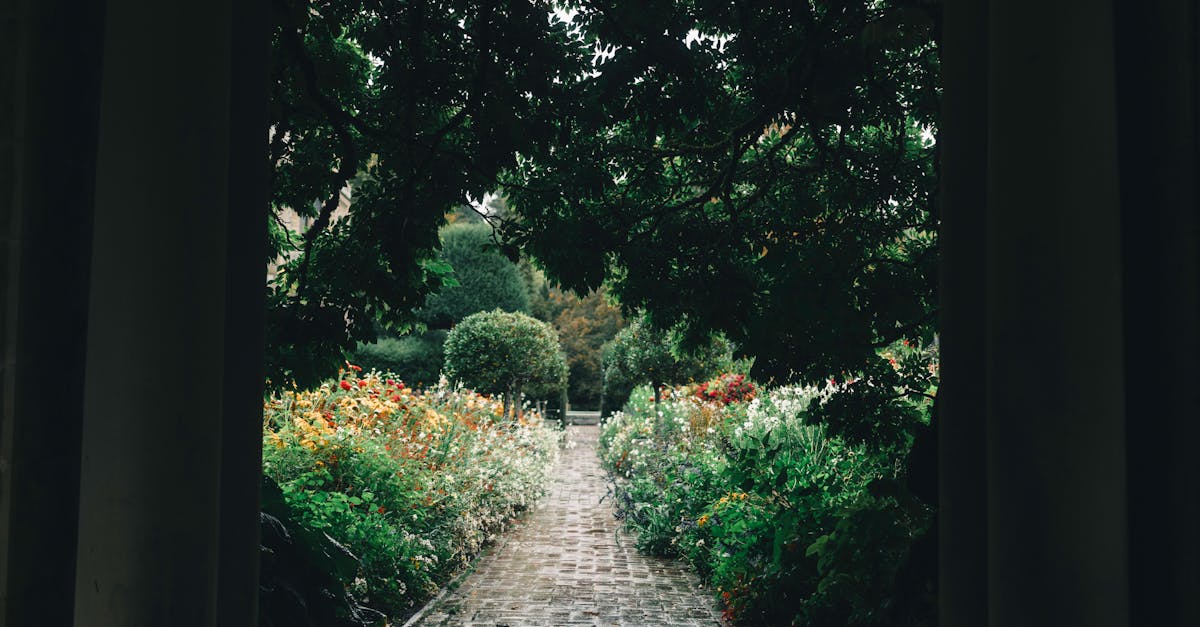
Enhancing Community Engagement Through Urban Green Spaces
Table Of Contents
Green Spaces as Social Hubs
Urban green spaces serve as vital social hubs within communities, providing residents with opportunities to gather, interact, and engage with one another. These areas, such as parks, gardens, and nature reserves, are not merely scenic backdrops but essential components of community life. They encourage informal gatherings, such as picnics and recreational activities, fostering a sense of belonging. By offering a common ground, these spaces help bridge gaps among diverse demographic groups, thus promoting inclusivity.
Moreover, green spaces significantly contribute to community well-being by hosting organised events and activities. Markets, festivals, and outdoor movie nights enable locals to come together in a relaxed environment. This communal aspect allows neighbours to strengthen their bonds and collaborate in maintaining and enhancing these areas. Such interactions often lead to a greater sense of civic pride and responsibility, ensuring that the community actively participates in the stewardship of its green spaces.
Fostering Community Connections through Events
Community events held in urban green spaces serve as an ideal platform for bringing residents together. Whether through markets, festivals, or workshops, these gatherings provide opportunities for individuals to share interests and build friendships. Local organisations, artists, and businesses often participate, fostering a sense of belonging. Engagement through these activities encourages residents to actively contribute to the vibrancy of their environment.
These occasions not only enrich social ties but also promote a spirit of collaboration among diverse groups. People from various backgrounds can engage in shared experiences, leading to increased understanding and mutual respect. Through such interactions, green spaces transform into vital community hubs that strengthen relationships and support the overall wellbeing of the neighbourhood. By celebrating local culture and creativity, these events infuse life into urban landscapes, ensuring that green spaces play a crucial role in community building.
The Role of Nature in Urban Resilience
Urban environments face numerous challenges, including climate change, population growth, and resource scarcity. Integrating green spaces into these settings can significantly enhance resilience. Vegetation helps to reduce urban heat islands, promoting cooler temperatures and improving air quality. Additionally, green areas serve as vital buffers against flooding, absorbing excess rainfall and mitigating surface runoff. This natural infrastructure provides not only ecological benefits but also economic advantages through reduced healthcare costs and increased property values.
Nature-based solutions are essential for fostering community resilience amid changing climatic conditions. Green spaces offer opportunities for biodiversity to flourish within urban settings, thus supporting local ecosystems. Furthermore, these areas encourage sustainable practices by promoting outdoor activities, enhancing physical and mental well-being among residents. As communities engage with their natural surroundings, they develop a stronger sense of stewardship towards the environment, ultimately contributing to a more sustainable urban landscape.
Enhancing Community Adaptability to Climate Change
Urban green spaces play a crucial role in enhancing community adaptability to climate change. Such areas provide essential ecosystem services, including improved air quality, flood mitigation, and temperature regulation. They serve as natural buffers against extreme weather events, creating a more resilient urban environment. Community members can engage with their local green spaces, fostering a connection to nature that encourages sustainable practices.
In times of climate stress, these spaces become vital gathering points for sharing resources and knowledge. Workshops on sustainable gardening, community clean-ups, and biodiversity restoration initiatives empower residents to take an active role in their environment. By cultivating a sense of ownership and responsibility, urban green spaces not only help communities respond to climate challenges but also inspire collective action towards long-term sustainability.
Balancing Nature and Urban Life
Urban environments often present challenges in maintaining a balance between development and the natural world. Many cities have begun to recognise the significance of integrating green spaces into their architectural fabric. This approach not only enhances aesthetic appeal but can also positively influence residents’ well-being. Strategically placed parks and gardens provide essential breathing spaces within bustling urban areas.
City planners are increasingly adopting a holistic perspective that considers the ecological impact of urbanisation. By prioritising green infrastructure, cities can create multifunctional spaces that serve diverse purposes, from recreational activities to wildlife habitats. The thoughtful design of these areas, ensuring accessibility for all, fosters a sense of belonging among residents. This integration supports sustainable urban lifestyles while helping to preserve local biodiversity.
Integrating Green Spaces into City Planning
Urban planners play a critical role in ensuring that green spaces are woven into the fabric of city designs. This integration requires a deep understanding of community needs and environmental aspects. By incorporating parks, gardens, and other green areas into development plans, cities can enhance livability and contribute to the overall well-being of residents. The presence of these spaces can provide recreational opportunities and promote biodiversity, creating a healthier environment for all inhabitants.
Adopting an inclusive approach in planning can foster collaboration between local governments, community groups, and landscape architects. Engaging citizens in the decision-making process not only builds a sense of ownership but also ensures that the green spaces reflect the unique character of each neighbourhood. Sustainable design measures, such as rain gardens and native plantings, can further strengthen the ecological value of urban green spaces while highlighting the significance of nature in city life.
FAQS
What are urban green spaces?
Urban green spaces are areas within cities that are covered in vegetation, such as parks, gardens, and green roofs. They serve as places for recreation, relaxation, and community engagement.
How do green spaces foster community connections?
Green spaces facilitate community connections by providing a venue for social events, gatherings, and activities, allowing residents to interact, share experiences, and build relationships with one another.
What role do urban green spaces play in climate change adaptation?
Urban green spaces help communities adapt to climate change by improving air quality, reducing heat, managing stormwater, and enhancing biodiversity, which collectively contribute to urban resilience.
How can cities effectively integrate green spaces into planning?
Cities can integrate green spaces into planning by prioritising the inclusion of parks and natural areas in urban development, collaborating with community members, and ensuring accessibility for all residents.
What benefits do green spaces provide beyond aesthetics?
Beyond aesthetics, green spaces offer numerous benefits including improved mental health, enhanced physical well-being, increased social interaction, and environmental advantages such as habitat preservation and reduced urban heat.
Related Links
The Role of Art in Urban Parks and Plaza DesignInnovative Approaches to Urban Park Design in Victoria
Creating Wildlife-Friendly Urban Environments
The Impact of Urban Parks on Local Economies
Designing Inclusive Spaces in Urban Parks for All Abilities
Sustainable Materials for Urban Park Development