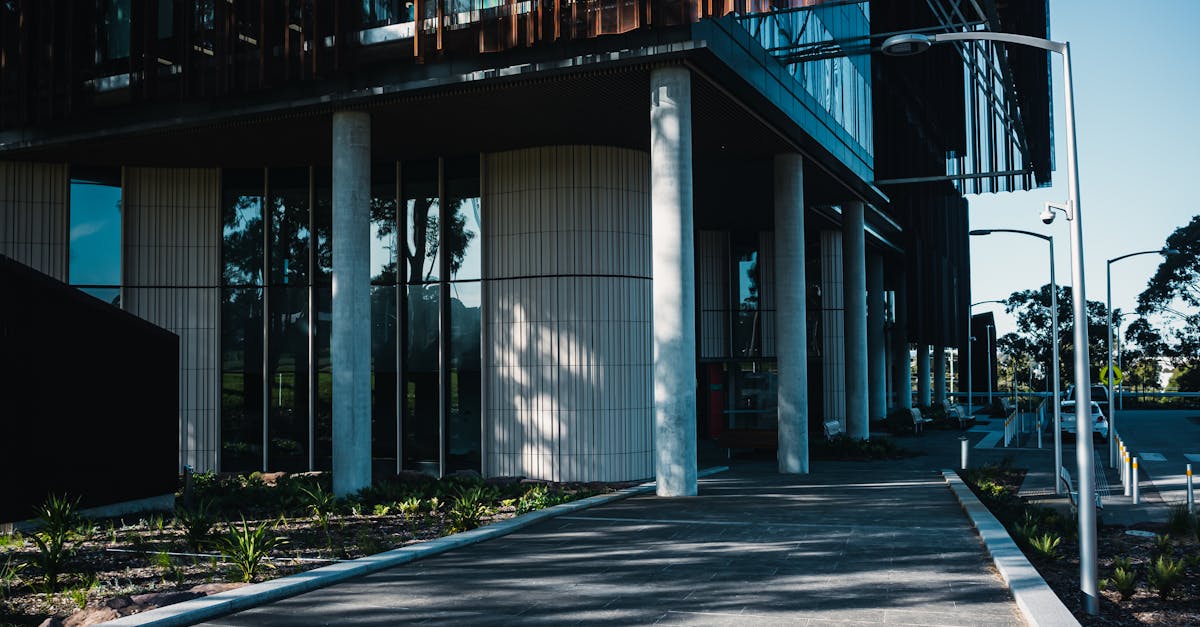
The Role of Art in Urban Parks and Plaza Design
Table Of Contents
Case Studies of Successful Park Designs
One exemplary model of park design is the High Line in New York City. This elevated linear park transformed a disused railway line into a vibrant green space filled with native plants, walkways, and art installations. The integration of local artworks not only enhances the aesthetics of the space but also reflects the community's culture and history. Visitors enjoy not just leisure but also a unique perspective of the urban landscape as they traverse the park, making it a significant case study of adaptive reuse in urban settings.
Another notable example is the Kings Park and Botanic Garden in Perth, Australia. Spanning over 400 hectares, it showcases a diverse range of native flora along with well-curated art installations throughout the grounds. The careful placement of sculptures and other art pieces encourages exploration and interaction, deepening the connection between nature and culture. This park serves as a testament to how thoughtful design can create an engaging environment that fosters community interaction while celebrating the region’s natural heritage.
Notable Examples from Around the World
Cities around the globe have embraced art as a vital element in the design of parks and plazas. One notable example is the High Line in New York City, where a disused elevated railway has been transformed into a vibrant green space featuring artworks integrated into the landscape. Sculptures and murals line the path, creating a unique blend of nature and creativity that engages visitors and encourages exploration. This project has not only enhanced the aesthetic appeal of the area but has also revitalised the surrounding neighbourhoods.
In Melbourne, the Royal Botanic Gardens serve as an exemplar of how art and nature can harmoniously coexist. With sculptures strategically placed throughout the gardens, visitors are invited to ponder intricate designs set against a backdrop of lush greenery. The carefully curated installations encourage reflection and engagement, making the space not just a haven for plant enthusiasts but also a cultural destination. By incorporating art into these urban environments, cities can cultivate a sense of community and identity that resonates with both locals and tourists alike.
The Role of Temporary Art Installations
Temporary art installations serve as dynamic elements within urban parks and plazas. Their short-lived nature allows for fresh experiences that can invigorate public spaces. Artists often respond to the local context, creating works that reflect community identity or highlight specific social issues. The installation of such art can spark conversations among visitors, encouraging engagement and connection with both the artwork and each other.
These installations often challenge traditional perceptions of art, blurring the lines between creator and audience. Interactive elements invite participation, transforming passive observers into active contributors. As people explore and interact, they develop a sense of ownership over the space. This participatory approach can foster a vibrant cultural scene, making parks and plazas more than just areas for relaxation, but true community hubs.
Engaging the Public in New Ways
Temporary art installations offer an innovative method for fostering public interaction within urban parks and plazas. These dynamic displays invite community members to engage with their surroundings in a way that is often non-traditional. By introducing elements of playfulness and intrigue, installations spark curiosity and encourage exploration. Such projects often transform spaces, making them more vibrant and inviting for both locals and visitors alike.
Artists frequently collaborate with city planners and community stakeholders to ensure that these installations resonate with the public. Workshops and events surrounding the art encourage participation, enhancing a sense of ownership among the community. This engagement not only cultivates a deeper appreciation for the arts but also strengthens social ties. By uniting diverse groups around a shared experience, these creative endeavours contribute to a more cohesive urban environment.
Challenges in Integrating Art into Urban Spaces
Integrating art into urban spaces presents a myriad of challenges that urban planners and artists must navigate. One significant issue is the need to balance artistic expression with practical functionality. Public spaces require careful consideration of how art will interact with everyday activities such as commuting, socialising, and recreation. When art installations dominate a space or inhibit movement, they can detract from the experience rather than enhance it.
Another concern arises from the varying perceptions of art among different community members. What one group views as beautiful and engaging might be seen as unappealing or inappropriate by another. This divergence creates a challenge in fostering community support for art projects. Stakeholder engagement becomes crucial in these scenarios to ensure that the artistic choices reflect the identity and values of the broader community. Balancing diverse opinions while maintaining a cohesive vision for the space requires thoughtful dialogue and compromise.
Balancing Aesthetics and Functionality
The integration of art into urban parks and plazas presents unique challenges that require careful consideration of both visual appeal and practical use. Designers must ensure that artistic elements do not impede accessibility or safety. Sculptures, installations, and murals can enhance the visual landscape but should also serve a purpose, such as guiding movement or providing shelter. This duality can often lead to innovative solutions, where artistic designs functionally complement the environment rather than detract from it.
Community engagement plays a crucial role in this balance. Involving local residents in the design process can provide insights into the cultural significance of art in their neighbourhoods. This helps create spaces that are not only visually striking but also relevant and inviting for the community. By prioritising user experience alongside artistic expression, urban parks can become vibrant hubs that celebrate local identity while promoting social interaction.
FAQS
What is the significance of art in urban park and plaza design?
Art in urban park and plaza design enhances the aesthetic appeal, fosters community engagement, and promotes cultural expression, making these spaces more inviting and enjoyable for the public.
Can you provide examples of successful park designs that integrate art?
Yes, notable examples include the High Line in New York City, which features art installations amidst its landscape, and the Millennium Park in Chicago, which showcases iconic artworks like the Cloud Gate sculpture.
How do temporary art installations contribute to urban parks?
Temporary art installations can engage the public in innovative ways, creating dynamic experiences that encourage interaction and reflection, while also allowing for fresh expressions of creativity in public spaces.
What are some challenges faced when integrating art into urban spaces?
One challenge is finding the right balance between aesthetics and functionality, ensuring that art complements the space without obstructing its intended use. Other challenges include costs, maintenance, and community acceptance.
How can communities get involved in the artistic aspects of their local parks?
Communities can engage by participating in public consultations, volunteer programmes, or art workshops, as well as advocating for local artists to showcase their work in public spaces.
Related Links
Integrating Local Flora into Plaza Landscaping ProjectsEnhancing Community Engagement Through Urban Green Spaces
Creating Wildlife-Friendly Urban Environments
The Impact of Urban Parks on Local Economies
Designing Inclusive Spaces in Urban Parks for All Abilities
Sustainable Materials for Urban Park Development